Featured work
ATIS Replatform
Relaunching a B2B service for tourism operators, supporting growth in Alberta's $13B visitor economy (+12 NPS at launch).
Background
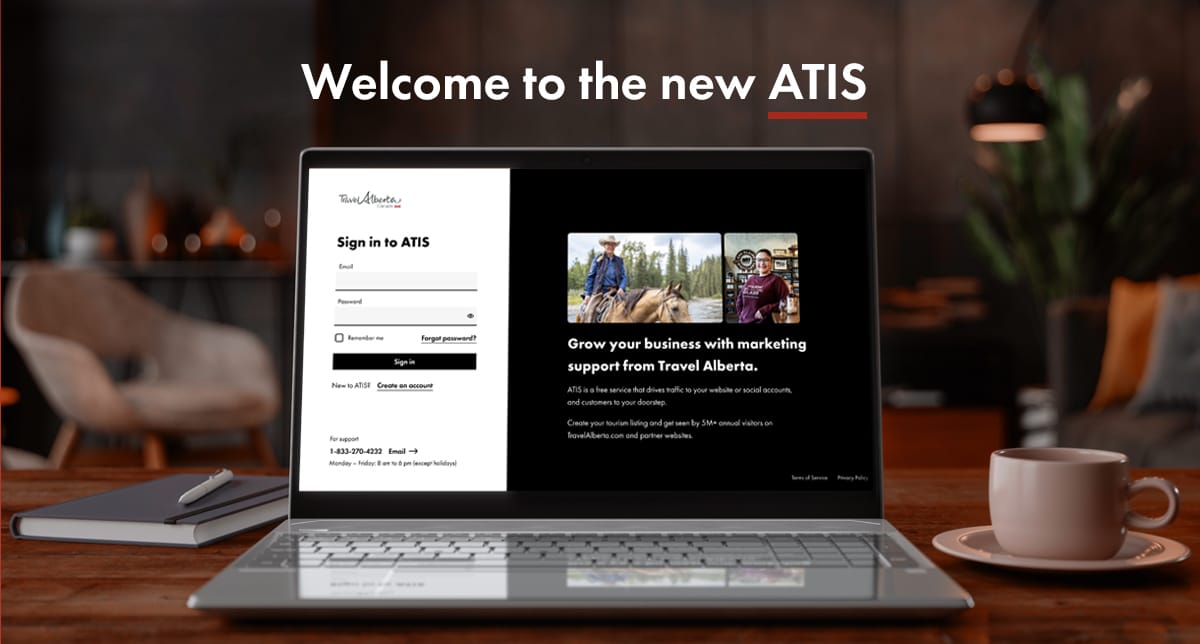
Travel Alberta's ATIS listing service, a B2B platform connecting tourism operators with international travellers, had become outdated and was no longer meeting the organization's needs.
However, shutting it down would remove the primary source of truth for operator data, break integrations with regional marketing partners, and wipe out 2/3 of website content on TravelAlberta.com.
The service needed to be retired or rebuilt — we chose to rebuild.
This multi-year program stretched my leadership skills in strategy, design, and delivery. As Director of Product & UX, it was my responsibility to oversee the multi-year road map, align design and engineering teams, build relationships with stakeholders, and clarify the product vision.
The Results
- +12 point improvement to NPS
- 6500+ listings, and 5000+ user accounts migrated
- 80% of listings renewed in the first 4 months
- Users described the platform as "greatly improved" with "a more positive feeling"
- Most complex launch ever for Evans Hunt
Product Discovery
Through interviews with operators and marketing partners, we assessed user needs for a variety of groups.
- Operators (external) wanted marketing exposure and growth opportunities.
- Marketing teams (internal + external) needed reliable content for promotion.
- Tourism Development teams (internal) wanted accurate product inventory data.
We also noted success stories and a clear desire for enhancements, demonstrating the potential impact if the platform could be revitalized.
- Listing pages represented ⅔ of content on TravelAlberta.com and generated more than half of the website’s search traffic.
- The platform’s API was powering business directories for 8 marketing partners.
- Thousands of tourism providers had signed on to create listings for their business.
- Users seemed to be genuinely invested in the quality and content of their listings.
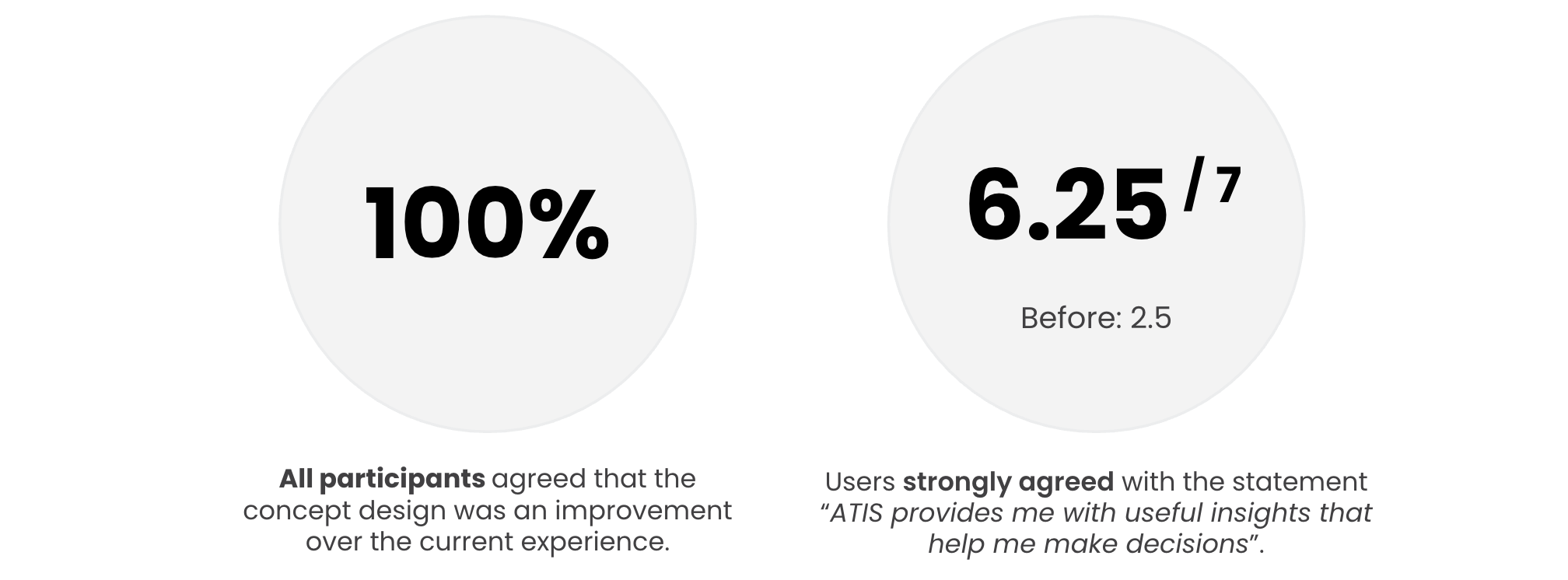
With this information, the team prepared and validated a new concept direction with a Figma prototype. Users expressed strong agreement that it was an improvement (6.25/7) and that it would be a valuable tool to help them grow their business.
I synthesized these initial findings into a proposal that balanced operator needs (easier listing management) with internal stakeholder goals (reliable data, marketing content), and technical constraints (database migration, maintaining API integrations).
The end result was stakeholder buy-in and executive approval to move forward with a full re-platforming project.
Early Design & Planning
Given the scale of the initiative, discovery went deep with a comprehensive set of activities aimed at surfacing issues, understanding user groups, and creating alignment on what to build. From a heuristic audit to user research to story mapping, we collaboratively honed in on scope and direction.
We prioritized five main capabilities for tourism operators, with listing creation as the foundation:
- Create an Account or Sign In
Setup tourism organizations (mix of individuals and teams) so that they can connect to marketing support from Travel Alberta. - Create a Product Listing
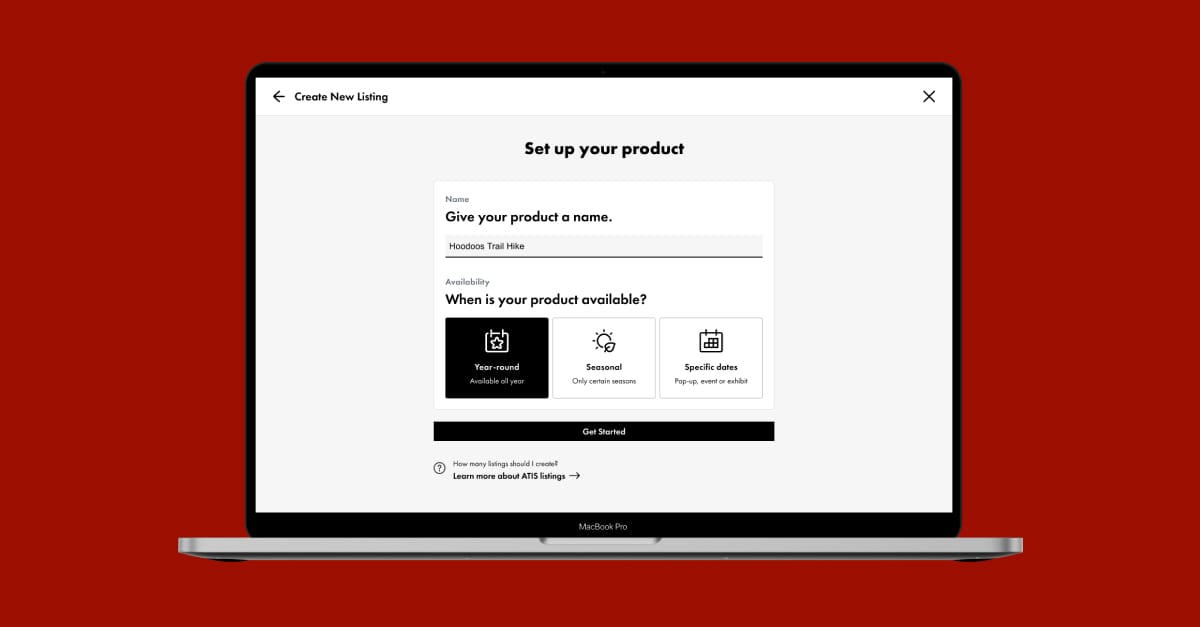
A multi-step process to describe and categorize the operator's tourism offering for display on TravelAlberta.com. - View Dashboard Insights & Reporting
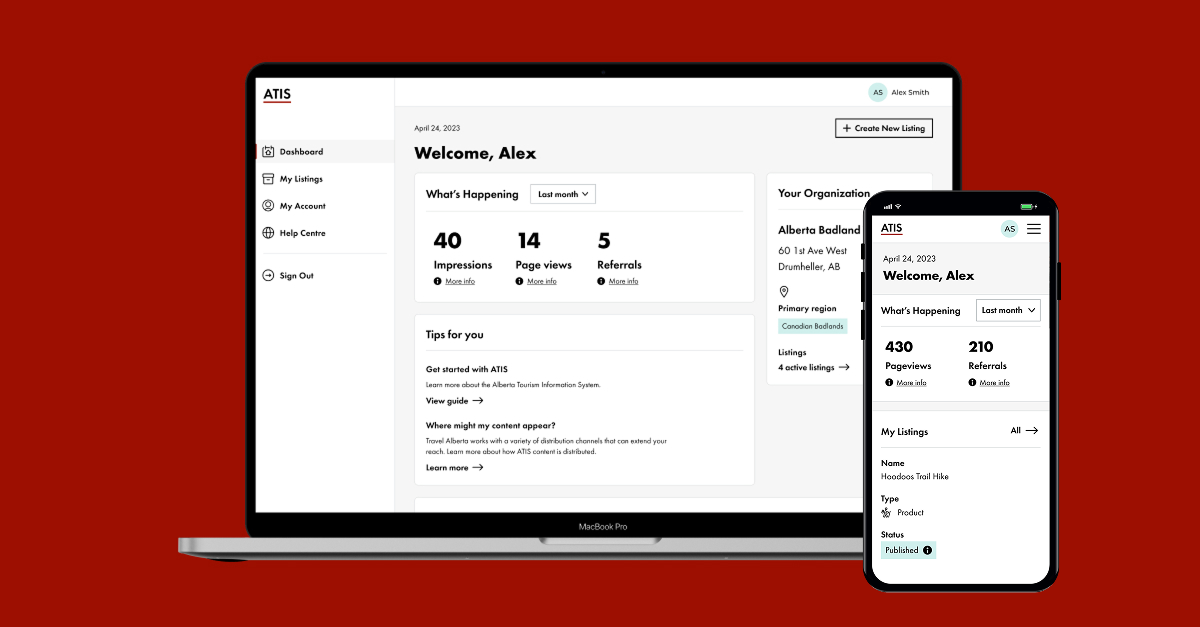
Orient returning users with listing performance metrics — pageviews, impressions, and referrals — surfaced through research as the data operators cared about most. - Manage Existing Listings
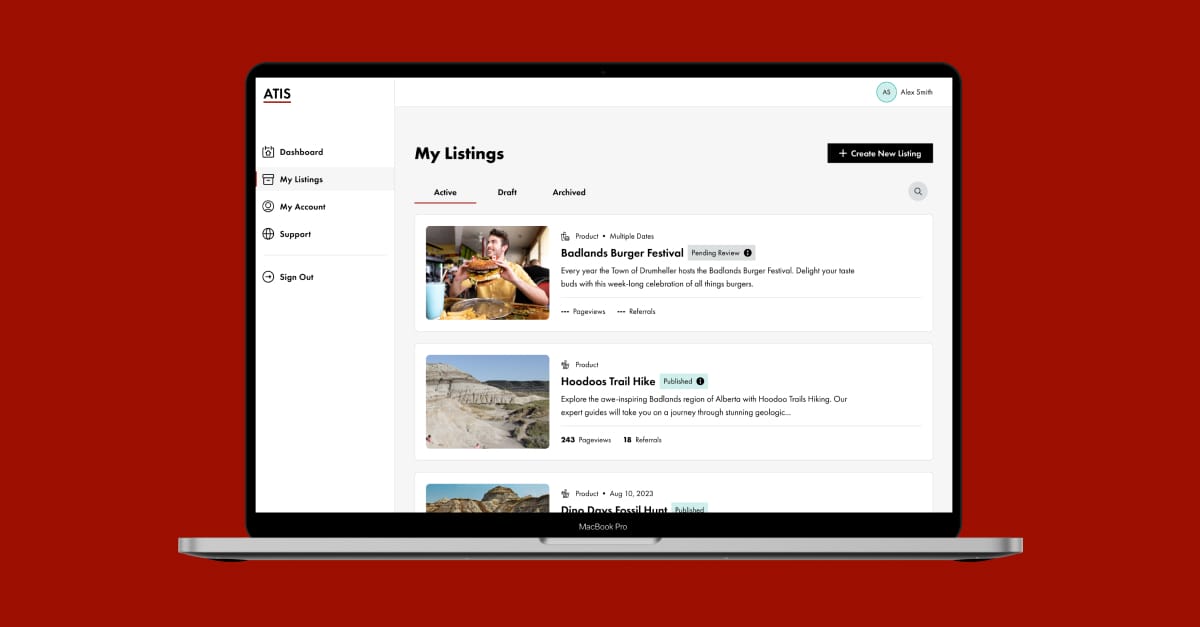
For returning users to view current listings, access performance data, and to update details to ensure their listings remained relevant. - Manage an Account / Organization
Standard account management details including team management.
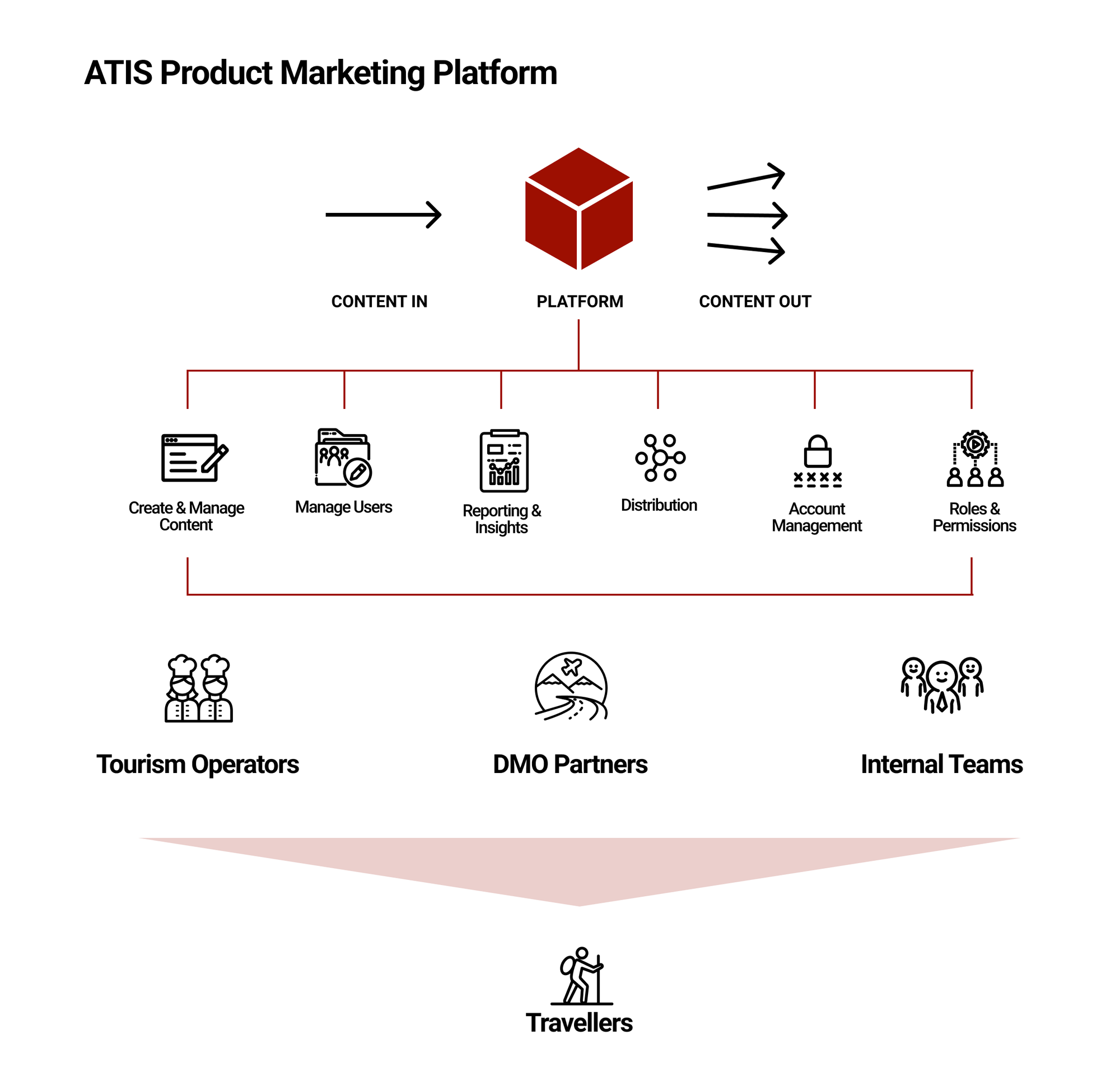
Beyond operator-facing capabilities, we also needed to consider internal teams and marketing partners.
We opted to leverage Sanity CMS for the admin back-end — a recommendation from the technology team that saved substantial time building and maintaining a custom admin portal, while still enabling flexibility for workflows such as moderation, and inventory reporting.
For marketing partners, we launched an updated distribution API that maintained continuity of service while improving reliability and uptime.
Final Design & Delivery
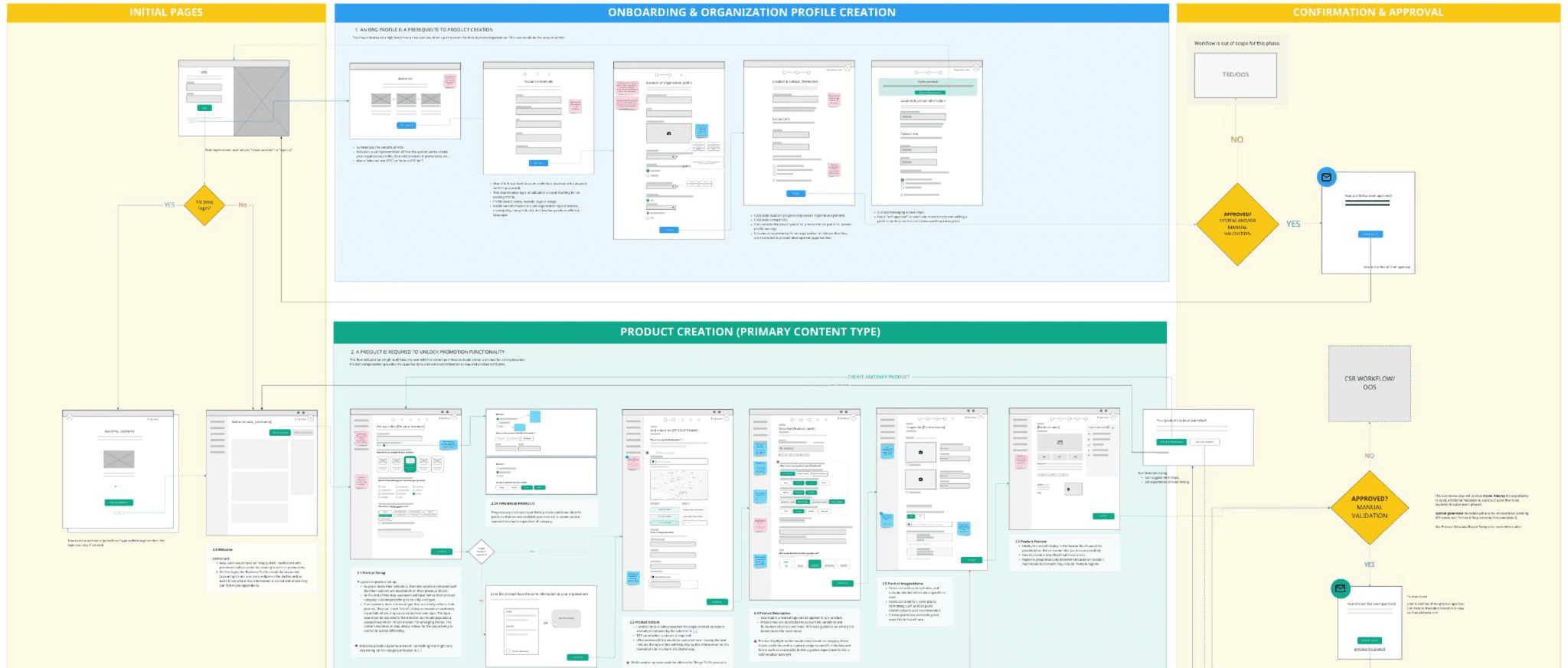
A high-fidelity prototype brought new information architecture, listing workflows, and organization modelling into a single, cohesive demo for validation with users. The prototype highlighted the end-to-end experience, from account setup through to the creation of user's first listing. This was important for testing, but it was also an opportunity for stakeholders to see the product vision realized in a functioning prototype.
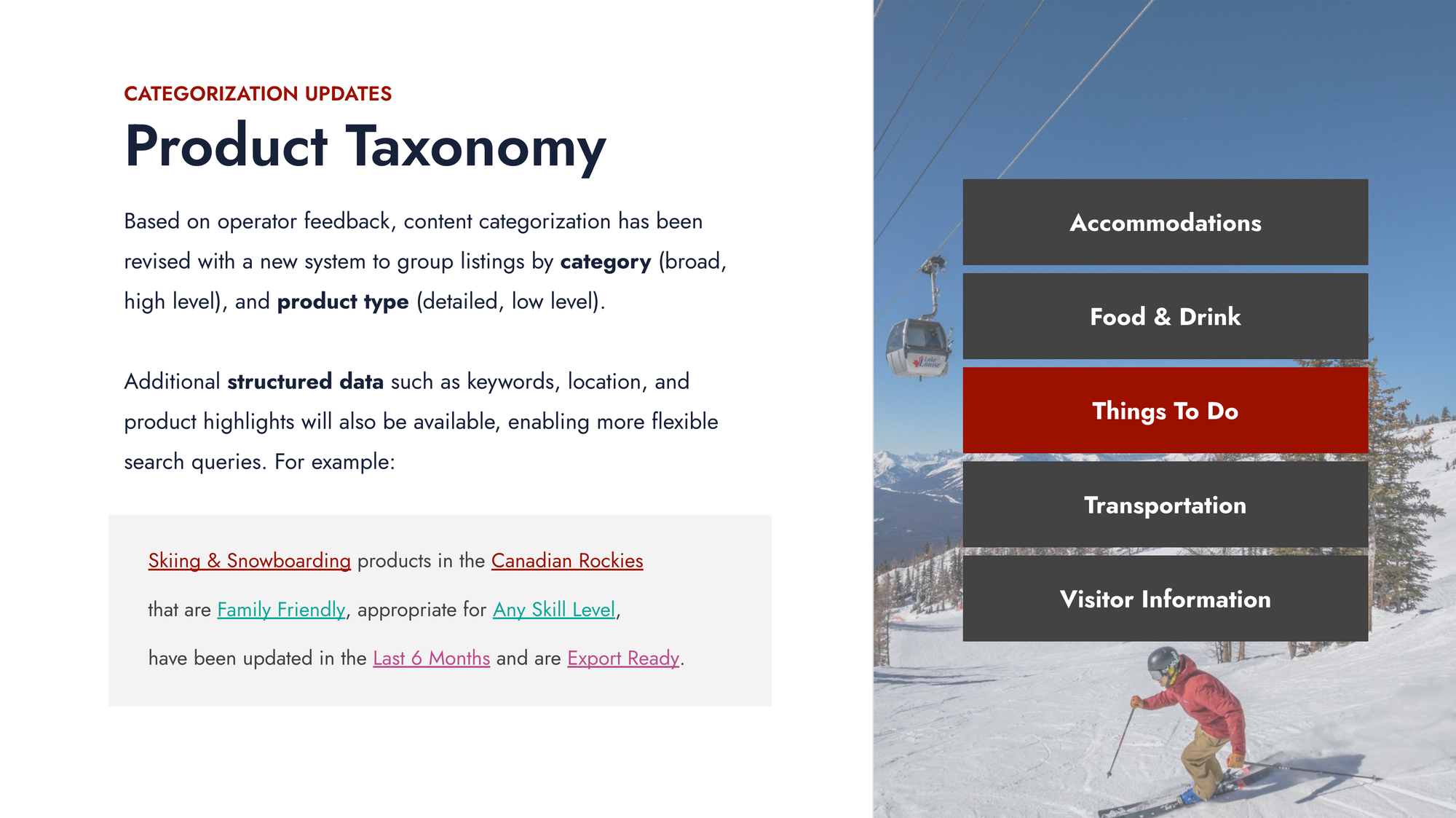
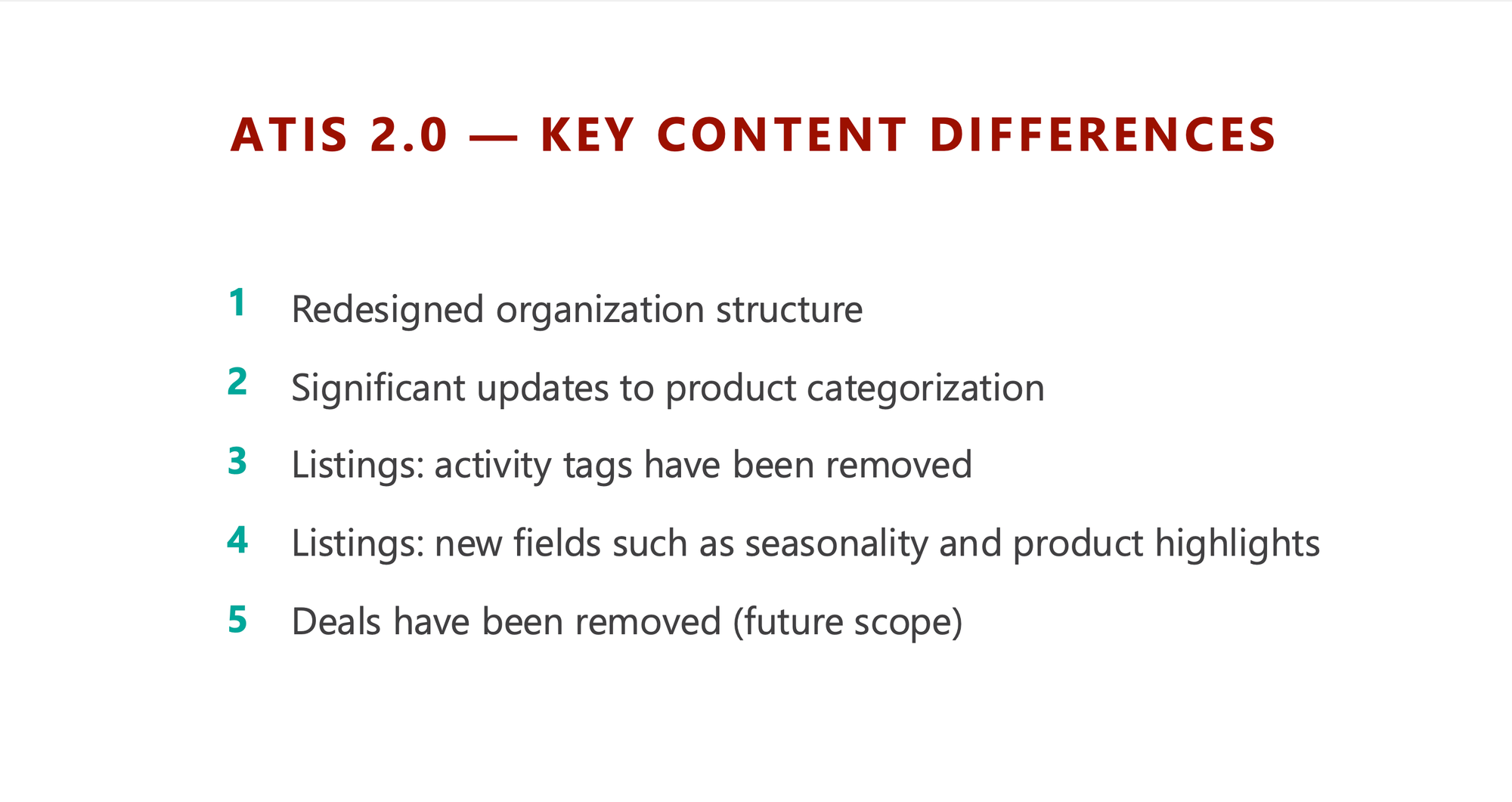
In testing, the demo confirmed operator understanding of the new listing categorization scheme. With 6 product categories and 152 product types in total, this was a significant change intended to address a critical pain point with the legacy platform's outdated taxonomy. The new structure gave operators clearer options, while enabling internal teams to run more sophisticated queries.
Next, we shifted into agile development. Designers, developers, and the product team worked closely together to refine specifications, define edge cases, and troubleshoot issues as they emerged. Regular demos and progress updates kept stakeholders in the loop.
Ahead of launch, user acceptance testing uncovered a range of usability issues. With launch communications already underway, we prioritized issues by impact vs effort, addressing the highest priority items for launch, and deferring lower impact refinements to post-launch releases. In some cases, this meant stepping back from more elegant solutions that would have burned development cycles, but critical items were addressed without compromising the launch timeline.
Beyond the platform build, launch required coordinating marketing and support materials. I oversaw the launch communications plan, as well as the authoring of a support portal, ensuring that operators and marketing partners were not only aware of the upcoming relaunch, but that they also had access to education and support materials to set them up for success.
Database Migration
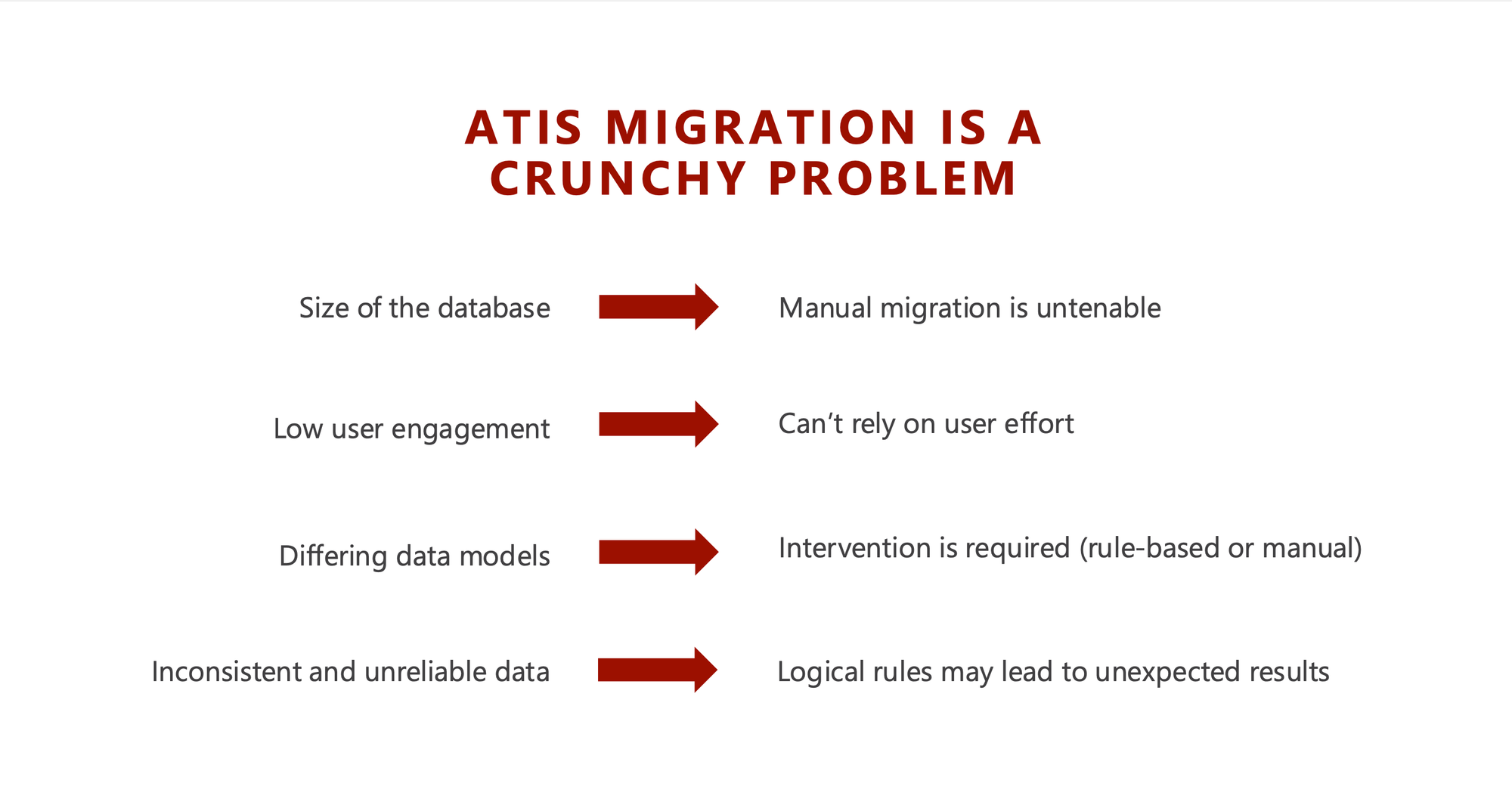
In addition to design and development, migrating legacy content was an essential step on the path to launch. The migration required untangling a gnarly web of unreliable data as well as deep understanding of both the old and new systems, so I stepped in to lead the planning.
The work was high stakes, too. Operators had already expressed frustration over previous launches, meaning that a cumbersome migration — or worse, forcing users to start from scratch — risked eroding trust and undermining adoption.
Timeframe
- 4-6 months to plan / execute
Scope
- Transition 5,100 user accounts, 2,100 organizations, and 7,800 listings with minimal disruption
- Map legacy content model (~40 product categories) to new taxonomy datasets (~150 product types)
- Design user flows for claiming accounts, updating listings and resolving migration issues
Data Analysis
Ensuring that the right users were assigned to the right listings was clearly table stakes, but with unreliable data from the old platform and organization model changes that didn't have a straightforward mapping, the path forward wasn't immediately obvious.
So I rolled up my sleeves and dove into the data:
- I started with a combination of live website data and a CSV export to get a high level view of accounts and listings.
- The exported data was extremely messy and unstructured, requiring a great deal of persistence, careful pattern recognition, and gut-checking versus the live system.
- While reviewing, I created a Miro board documenting pseudo-scripts and logic statements (i.e. “if listing attribute = x, assign to y”) for discussion with the Technology team.
- I also invited a Data Analyst to stress test my thinking. She built an interactive Looker Studio visualization, that helped confirm some assumptions and aid discussion.
- Finally, I organized regular team check-ins to discuss progress and align on a high level plan.
Working closely with the technology team, we mapped out and iterated on programmatic scripts before executing a final migration. Manual validation was used to confirm high value accounts and listings were mapped accurately.
Ultimately, the migration work set up a launch day with no major issues. The seamless migration demonstrated Travel Alberta's commitment to getting the new platform right, contributing to early adoption with an 80% listing renewal rate in the first four months.
Long Term Vision & Road Map
With a successful launch now complete, the evolution of ATIS continues with budget commitments for the next three years of development.
Business listings are just the start for this platform, which aims to become the brain of Alberta's visitor economy — an integrated product suite that connects operators to development support, funding opportunities, collaborative marketing campaigns, and more.
Now: Iterative Enhancements
Following launch, the team settled into a biweekly delivery cadence with 15 releases (+4 hot-fixes) addressing tech debt, usability issues, and other nice-to-have enhancements. These ongoing updates achieved 37% growth in return usage, and an 11% bump in engagement.
Next: Platform Evolution
Travel Alberta's goal is to double the size of the province's visitor economy, growing to $25B by 2035, and ATIS is a key component in getting there. New features are already being planned to help give local tourism operators an unfair advantage with tools and services that support their growth.
"Your team has been kicking butt and taking numbers — moving us from unstable, weary products to a foundation that can lead us into innovation. Thank you for creating a culture of excellence with folks that truly care about the work we do."
- Exec Stakeholder Feedback
Reflection
When celebrating launch, our Head of Technology called ATIS "the most complex project Evans Hunt has ever delivered," but his statement didn't fully account for the two years of discovery, planning, and stakeholder discussions that made delivery possible.
This was the kind of strategic, long-term project that can be rare in an agency context. I've been fortunate in my time with Evans Hunt to have had lightning strike twice (see Ikon Pass), delivering opportunities for product partnerships with trusting and forward-thinking clients.
Reflecting on what I learned from this work, there are a few lessons that have shaped my thinking going forward.
1. Smaller release cycles build momentum.
If I were to do it again, I would have pushed for even smaller delivery milestones, with a regular cadence of tech demos contributing to momentum. To be fair, this seems to be something every product team wrestles with (and it can be particularly challenging in client relationships), but there's always room for improvement.
2. Just enough information, just in time.
Attempting to gather requirements in advance was unrealistic for a platform of this size. Again, there are traditional agency dynamics to keep in mind here, but in subsequent projects I’ve shifted to more flexible, just-in-time requirement gathering where we shape stories in planning sprints, ahead of delivery.
3. The power of a prototype.
I am always impressed by the power of a prototype to create shared understanding. After months of planning and discovery, the clickable Figma demo was a turning point for the project. Whether it's a clickable prototype, a simple whiteboard sketch, or a tech demo — visuals often unlock collaboration in ways that words alone cannot.
4. Workshopping towards alignment.
Sometimes it's the simplest techniques that are the most effective. With a large, diverse group of stakeholders, dot-voting proved to be an invaluable workshop exercise time and time again. Voting surfaced opinions when discussions began to spiral, keeping the emphasis on forward momentum.